Archives
- 2026-09
- 2026-08
- 2026-07
- 2026-06
- 2026-05
- 2026-04
- 2026-03
- 2026-02
- 2026-01
- 2025-12
- 2025-11
- 2025-10
- 2025-09
- 2025-03
- 2025-02
- 2025-01
- 2024-12
- 2024-11
- 2024-10
- 2024-09
- 2024-08
- 2024-07
- 2024-06
- 2024-05
- 2024-04
- 2024-03
- 2024-02
- 2024-01
- 2023-12
- 2023-11
- 2023-10
- 2023-09
- 2023-08
- 2023-07
- 2023-06
- 2023-05
- 2023-04
- 2023-03
- 2023-02
- 2023-01
- 2022-12
- 2022-11
- 2022-10
- 2022-09
- 2022-08
- 2022-07
- 2022-06
- 2022-05
- 2022-04
- 2022-03
- 2022-02
- 2022-01
-
br Alzheimer s disease AD
2024-08-21
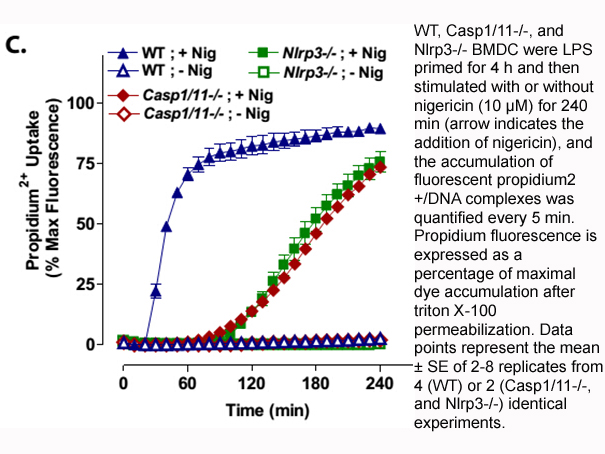
Alzheimer’s disease (AD) is an irreversible, age-associated neurodegenerative disorder that is characterized by progressive memory loss and cognitive decline. AD is also the leading cause of dementia, accounting for 5 million cases in the United States and 44 million cases worldwide. In 2015, AD c
-
This suggestion was confirmed by immunohistochemical studies
2024-08-21
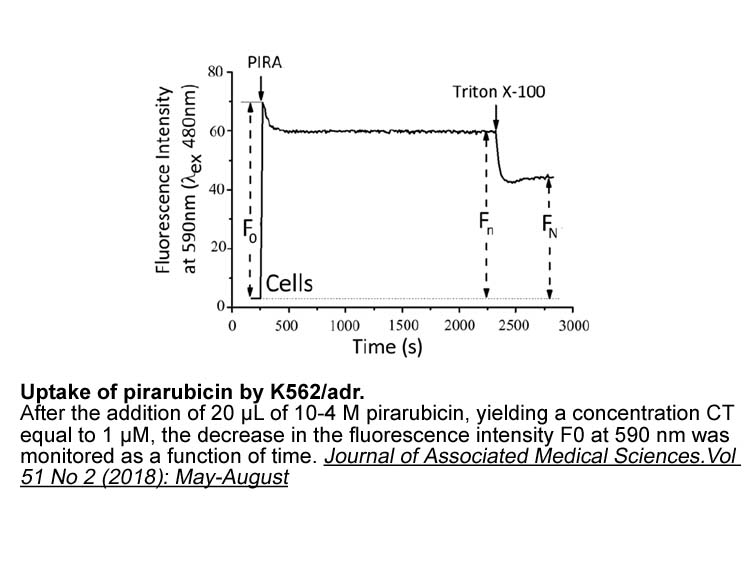
This suggestion was confirmed by immunohistochemical studies in which the immunoreactivity of the enzyme was actually higher at the earlier rather than at the advanced stages of the disease. Importantly, a later study showed that the biochemical signature of 12/15LO enzymatic activation (i.e., 12-HE
-
br Liver specific AHR deficiency and energy balance
2024-08-21
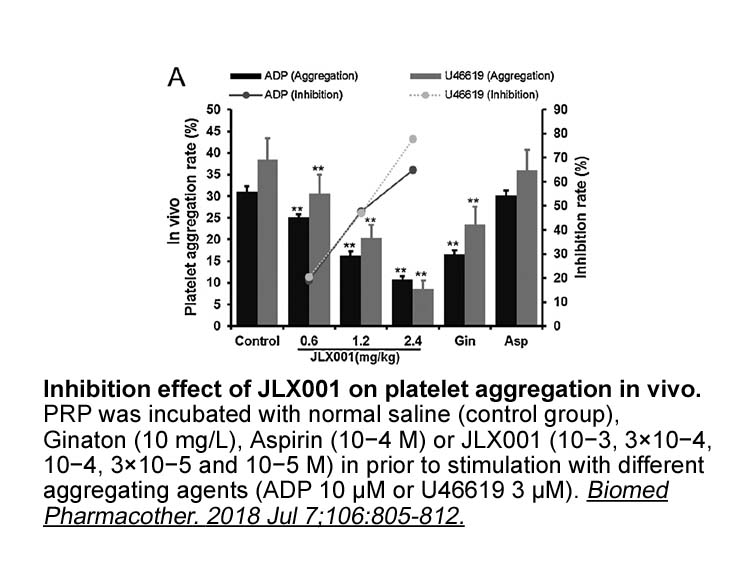
Liver-specific AHR deficiency and energy balance In contrast to the amelioration of hepatic steatosis by global AHR deficiency, targeted knockout of Ahr in hepatocytes exacerbated it in B6 mice fed on a high-fat diet, without interfering with body weight gain [21]. This appeared to result from au
-
The present in vitro pharmacological
2024-08-21

The present in vitro pharmacological experiments revealed that the cholinergic up-regulation of VEGF expression in neurons and astrocytes was mainly mediated by nicotinic AChR and muscarinic AChR, respectively. In addition, neuronal VEGF expression was elevated by endogenous ACh in a manner that was
-
br COX and LOX in post mortem AD brain
2024-08-21
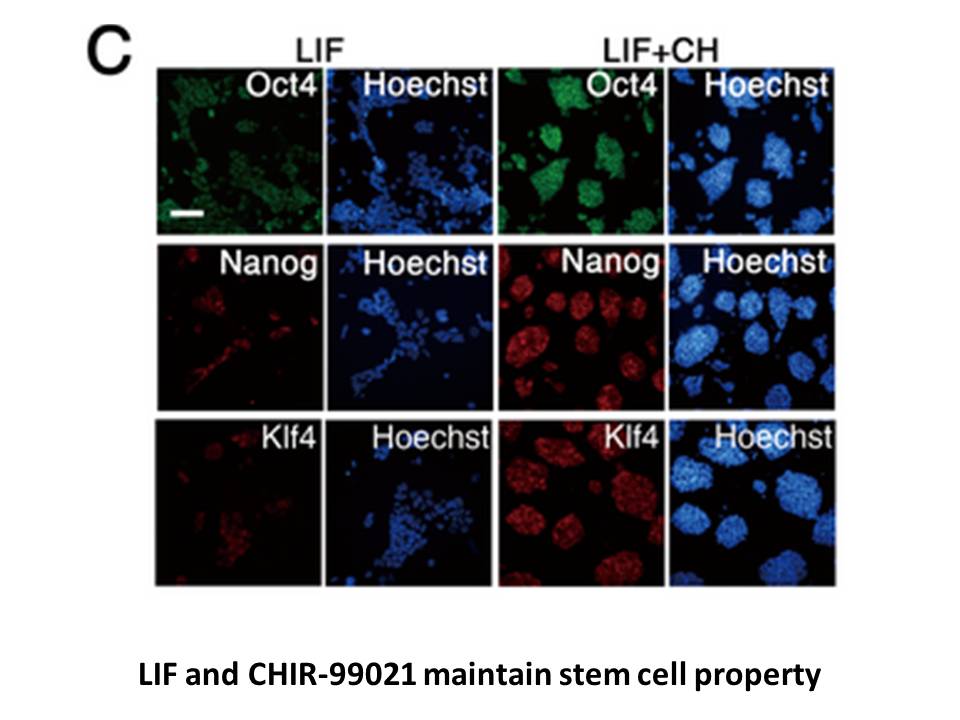
COX and 5-LOX in post-mortem AD brain Minghetti (2004) reviewed the findings on COX-2 mRNA levels in AD brains, pointing out that the available evidence demonstrated either decreased or increased levels, possibly because of the short half-life of COX-2 transcripts or individual variability. Histo
-
The mechanism by which Gas prevents
2024-08-21
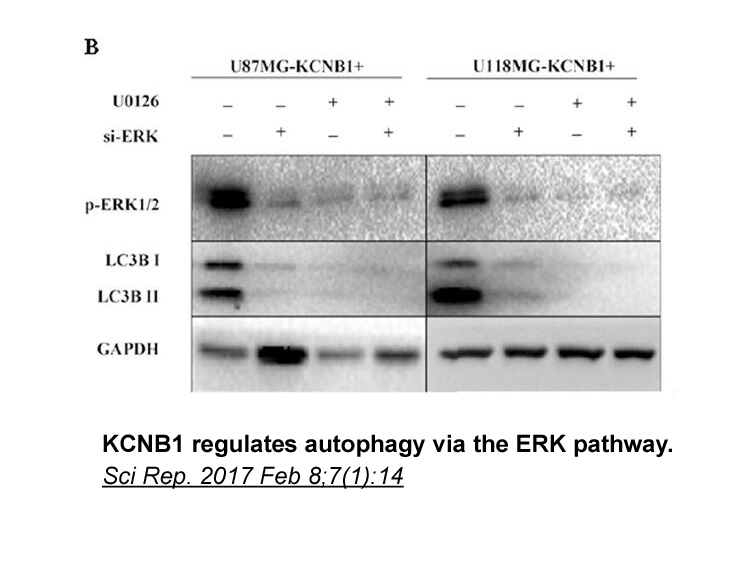
The mechanism by which Gas6 prevents inflammation has been reported to be via inhibition of Toll-Like receptors (TLRs) signaling (Cui et al., 2016). After injury, TLRs become stimulated, leading to downstream activation of TRAF3 and TRAF6 and translocation of several transcription factors, such as I
-
Bioavailability has been defined as the
2024-08-20
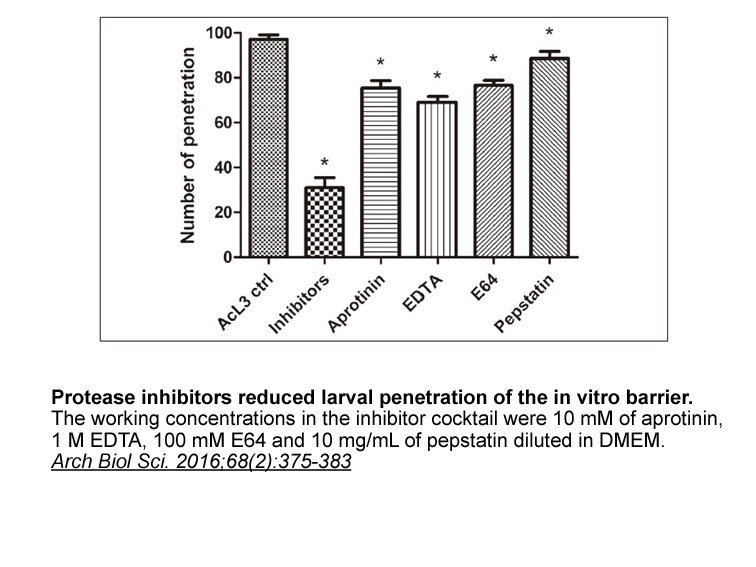
Bioavailability has been defined as the amount of a drug given by any route, other than intravenously, that reaches general circulation and is available at the site of action [86]. The low bioavailability observed with the initial intravaginal devices (16%) was attributed to the melting point of the
-
The isoelectric point of CL ARG was
2024-08-20
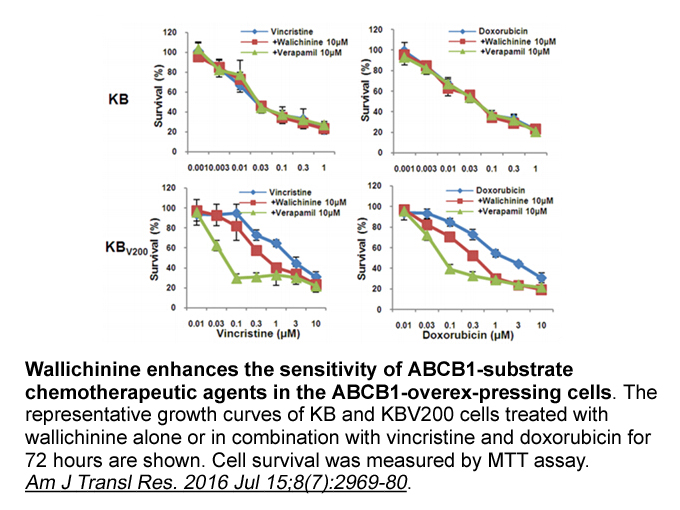
The isoelectric point of CL-ARG was determined by native IEF at a pyridone synthesis gradient in the range (3–10) using standard protein markers with known isoelectric points. Native IEF reveals the presence of only one major band for CL-ARG with a slightly neutral-basic pI value of about 7.7. The c
-
br Apelin The APJ receptor ligand
2024-08-20
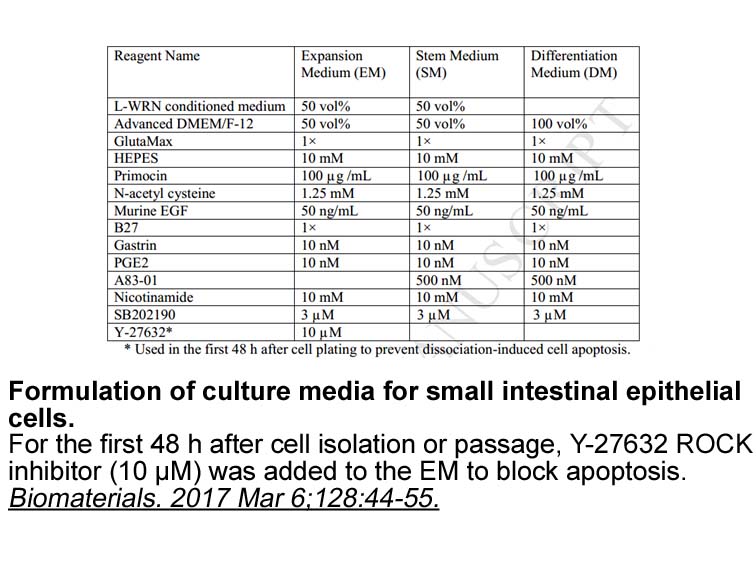
Apelin The APJ receptor ligand apelin firstly in 1998 was segregated from bovine stomach tissue. Human preproapelin gene located on chromosome Xq25–26.1. The apelin preproproteins consist of 77 amino 2b3a inhibitors residues that are cleaved into biologically active C-terminal fragments of vario
-
Applications for protein switches are numerous In diagnostic
2024-08-20
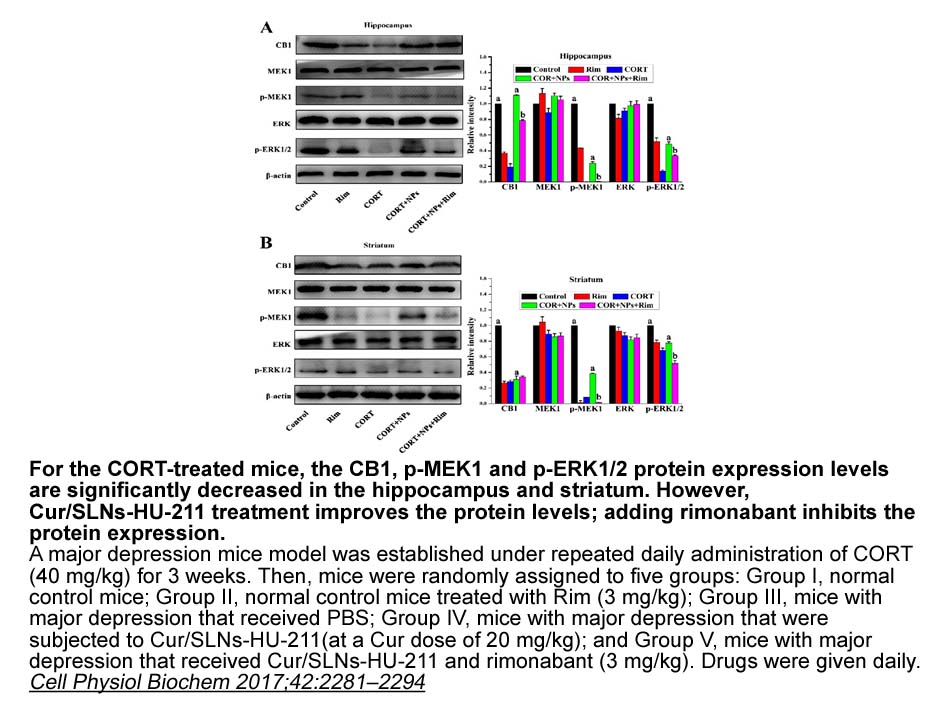
Applications for protein switches are numerous. In diagnostics, protein switches can detect analytes as components of inexpensive homogeneous assays that do not require specialized equipment or time-consuming incubation and washing steps characteristic of immunoassays [8]. Protein switches have also
-
How do increased levels of ammonia as observed in
2024-08-20
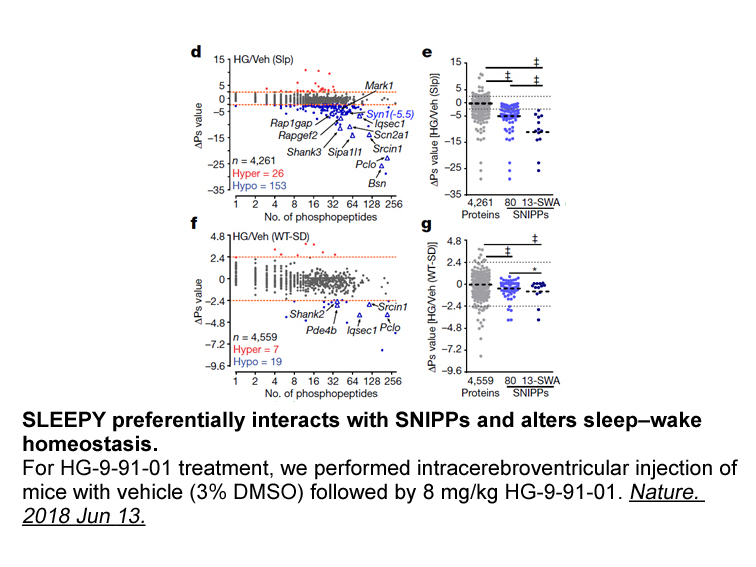
How do increased levels of ammonia as observed in clinical HE constrain synaptic plasticity? Numerous studies have investigated the modulation of signal transduction pathways activated in LTP or LTD irrespective of being necessary or sufficient for changes in synaptic efficacy (Wen et al., 2013). Ye
-
br Experimental section br Abbreviations PSA puromycin
2024-08-20
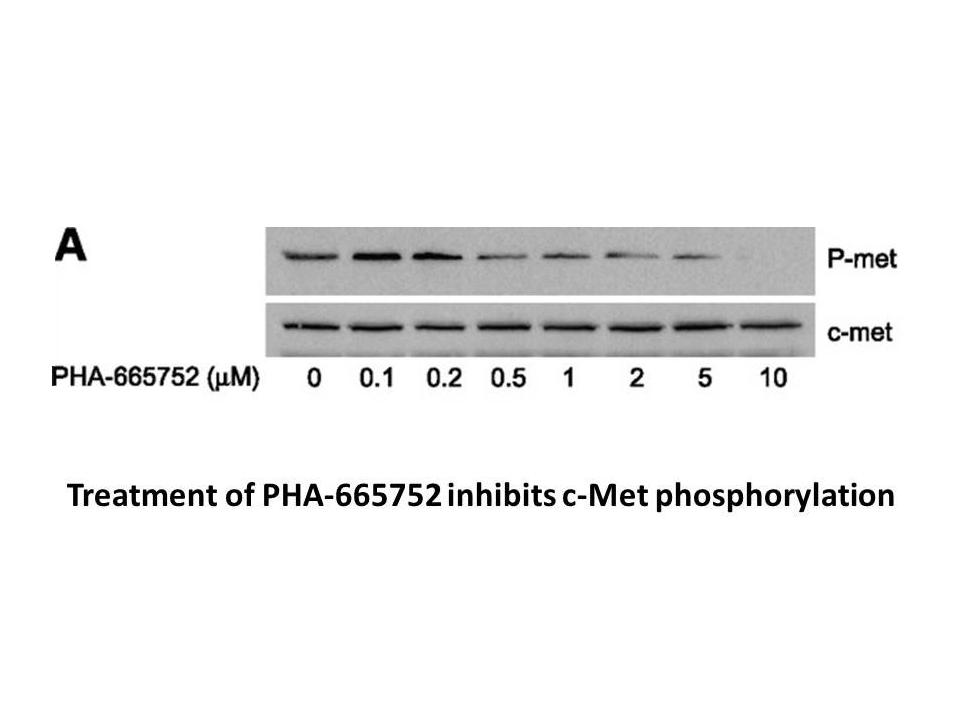
Experimental section Abbreviations PSA, puromycin–sensitive aminopeptidase; APN, aminopeptidase N; AML, acute myeloid Leukemia; ALL, acute lymphoblastic leukemia; AADR, amino Decoquinate deprivation response; PAN, puromycin aminonucleoside; DCC, dicyclohexyl carbodiimide; NHS, N–hydroxy succin
-
We start with a basic description of
2024-08-20
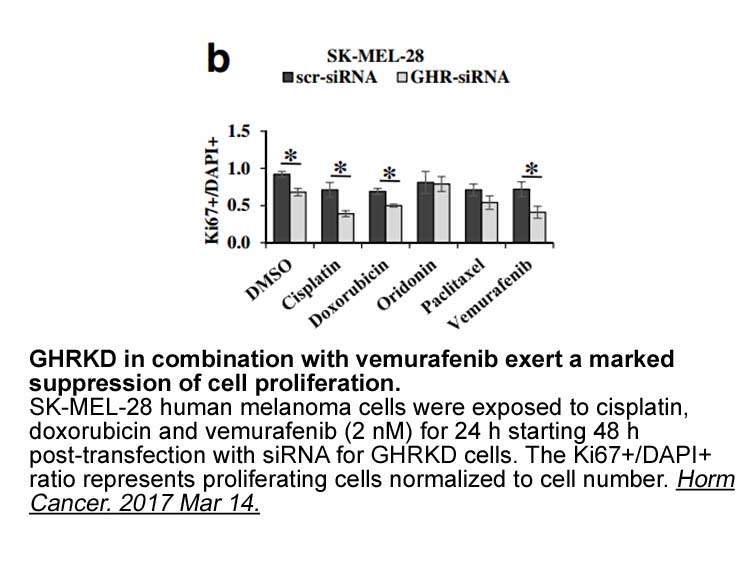
We start with a basic description of the MT-SGL model. Consider a multi-task learning (MTL) setting with k tasks. Let p be the number of covariates, shared across all the tasks, and n be the number of samples. Let denote the matrix of covariates, be the matrix of responses with each row correspond
-
In summary we identified a
2024-08-20
In summary, we identified a novel MLPH-ALK fusion in AST with discordant results of ALK IHC. In order not to overlook ALK-rearranged AST with rare fusion partners on IHC screening, a sensitive IHC method is preferable. Introduction Lung cancer remains the leading cause of cancer related deaths w
-
br Materials and methods br Results
2024-08-20
Materials and methods Results Discussion Competing financial interests Acknowledgements The work was partially supported by grants from the National Natural Science Foundation of China (Grant no. 31530053 and 31401424) and National Science and Technology Support Plan (Grant no. 2013BA
8494 records 130/567 page Previous Next First page 上5页 126127128129130 下5页 Last page